
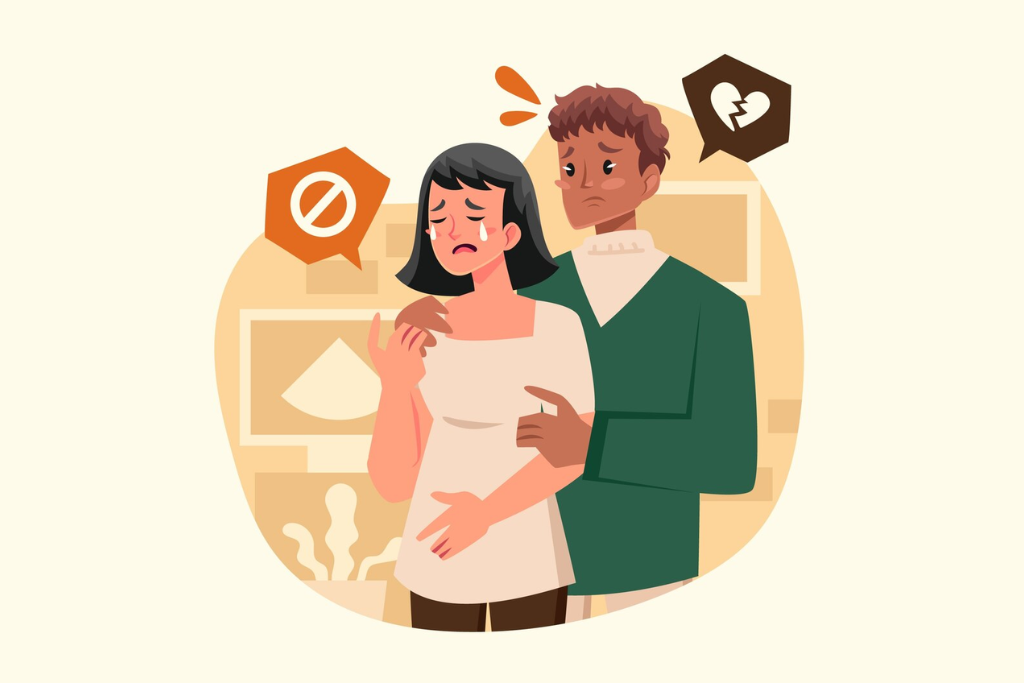
The recurring failure of IVF can be disorienting, fatigating and very personal. In cases where cycles fail to give a pregnancy in spite of the efforts, hope and medical attention, a lot of couples start doubting their bodies and their decisions. This means that by being aware of the reasons behind the failures of IVF and being informed of the actions to be taken upon failure, couples will be able to proceed with their lives without fear and confusion.
What Is Repeated IVF Failure?
No single definition exists, however, physicians commonly attribute IVF to be repeatedly unsuccessful when it does not result in pregnancy after two or more successful cycles of IVF. This involves transfer of good-quality embryos, which failed to implant or failed to do so at very early stages.
Typical Medical Etiology of IVF failure
There are a number of biological factors that may influence IVF:
1. Embryo quality: Although the embryos may be healthy looking with the aid of a microscope, they can be genetically abnormal. Research has demonstrated that the most prevalent causes of implantation failure, particularly with maternal age, are chromosomal problems.
2. Uterine factors: Implantation can be blocked by fibroids, polyps, adhesions or a thin lining of endometrium. These problems are at times obscure and require hi-tech imaging or hysteroscopy to reveal them.
3. Hormonal imbalance: Thyroid disease, insulin resistance or high amount of prolactin may interfere with implantation and first trimester development of pregnancy.
4. Male factor infertility: Sperm DNA fragmentation or low-grade sperms may not necessarily be detected during regular examinations, but can have severe consequences on the development of embryos.
5. Immune complications and clotting problems: The immune systems or blood clotting problems of some women may either influence the implantation or lead to early abortion of the pregnancy.
The Affective Impression on the couple
Recurring IVF failure is not only a medical problem – it is an emotional heavy burden. Numerous couples also suffer the same grieving as the loss of a pregnancy though it did not happen. Common are feelings of guilt, anger, anxiety and isolation. Women can accuse their bodies and men can feel powerless as their beloved one is in trouble.
It has been demonstrated that stress is not the direct cause of IVF failure, but emotional exhaustion may influence decision-making process, relationships, and wellbeing in general. It is significant to accept these feelings as a healing process.
What Couples Can Do Next
When there is a series of IVF failure, review should always be given first before another cycle is commenced. This could involve highly developed embryo research, reevaluation of the uterus, hormonal examinations or male fertility tests.
Other couples might find a change in protocol, including frozen embryo transfer, ICSI or fertility preservation useful. Some might require time to take a break, process feelings and re-equilibrium before proceeding with treatment.
It may be prudent to consult a trained IVF expert in south delhi or a reputable infertility expert in south delhi so that couples could know the next step of whether they need further treatment, lifestyle modification or other methods. The decision of a well equipped IVF center in south delhi with access to full diagnostic can also be a significant difference.
Conclusion
Dr. Pooja Bajaj Wadhwa practices evidence-based fertility care and subscribes to the notion of assisting the couple in learning both the medical and emotional aspect of infertility. Her style is that of being clear, kind, and realistic and particularly to women who have been through the recurring IVF failure.